Thinking about a move to Columbus, Indiana and wondering where your lifestyle fits best? You have choices, from walkable streets near public art to quiet cul-de-sacs and wide-open acreage. This guide breaks down the major living zones and the home styles you will actually see, with quick pointers to parks, schools, commute resources, and practical checks. By the end, you will have a simple framework to narrow your search with confidence. Let’s dive in.
How Columbus is laid out
Columbus centers on a compact downtown with civic architecture and public art, then transitions into established residential streets, mid-century pockets, newer subdivisions on the edges, and rural homes across Bartholomew County. Most daily commutes stay local, which keeps drive times manageable for many residents. City parks and schools are distributed across these zones, so you can often find a fit close to amenities. Use the sections below to match zones with the way you like to live.
Downtown and central Columbus
If you want a short commute and a lively street scene, the downtown and central blocks deliver. Housing here includes historic single-family homes from the late 19th and early 20th centuries, townhomes, and some adaptive reuse apartments or condos. You will see front porches, brick or wood exteriors, and preserved architectural details.
Cafes, galleries, and civic buildings are close by, and the city’s modern design legacy shows up in public spaces and landmarks. For a preview of attractions and architectural highlights, explore the resources on Visit Columbus, Indiana. Central streets tend to be the most walkable, and many residents can bike to work or to errands.
Established neighborhoods near downtown
Just outside the core, you will find mature-tree streets with sidewalks and a mix of Craftsman bungalows, Colonial Revival and American Foursquare homes, plus early mid-century houses. These areas appeal if you want character and convenient access to parks, neighborhood services, and schools.
Mill Race Park is a local favorite for trails and open space. You can confirm park locations and amenities on the City of Columbus Parks & Recreation page. Older homes often come with period woodwork and built-ins, so planning for maintenance and any preservation rules is wise. If you are considering updates, ask about historic district guidelines before you renovate.
Mid-century value pockets
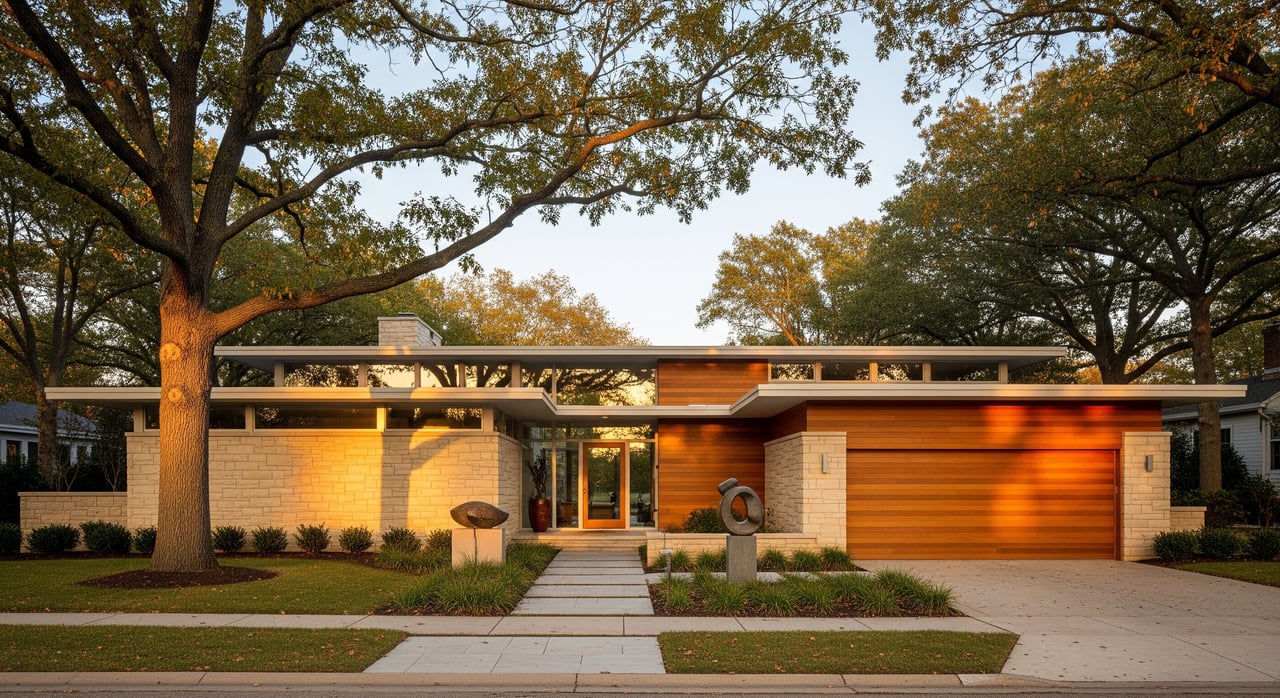
Columbus has many mid-century ranches and modest single-family homes built to serve growing local employers. These neighborhoods offer single-level living, picture windows, and attached garages. If you enjoy a project, you may find good candidates for cosmetic updates.
These areas sit near major corridors, which makes commuting across the city straightforward. When you tour, look for lot size, natural light, and roof lines. If you are aiming for value, consider homes where kitchens, baths, and flooring can be refreshed over time.
Suburban subdivisions and newer builds
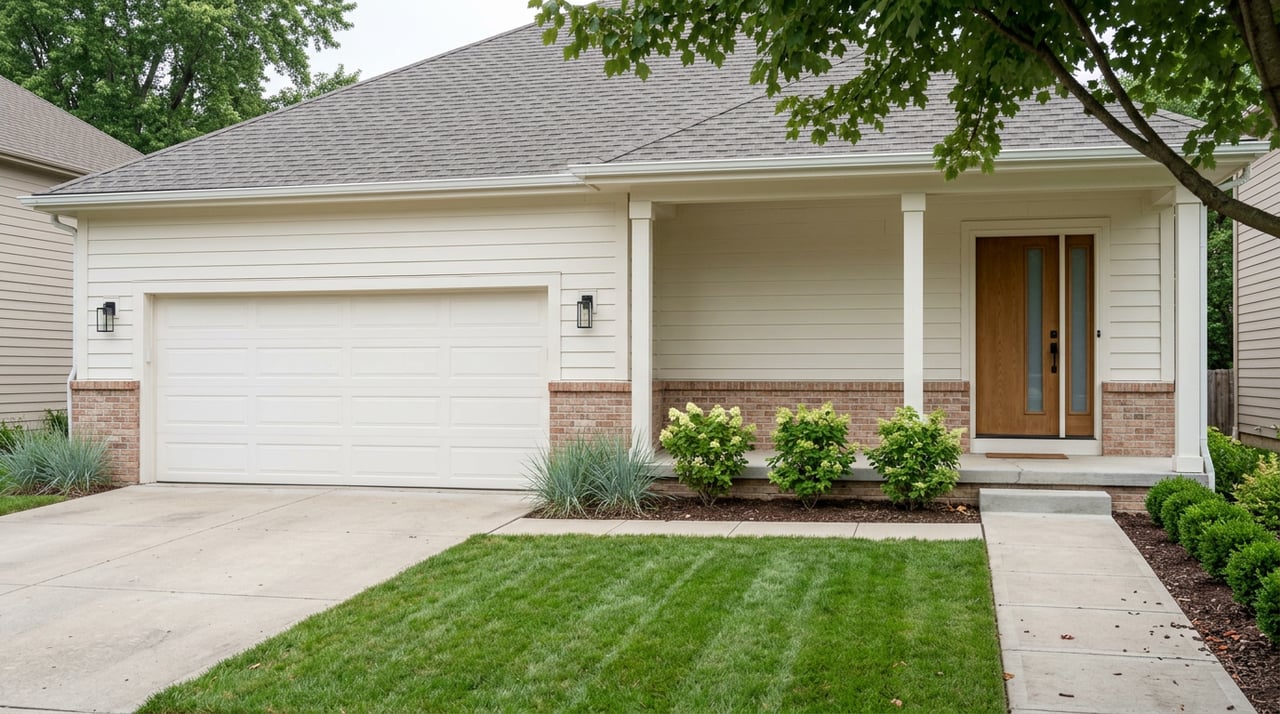
On the north, east, and south edges of Columbus, newer subdivisions feature homes from the late 1990s to the present. Floor plans often include open living areas, larger primary suites, and 2 to 3 car garages. Streets tend to curve into cul-de-sacs, and many communities include sidewalks and green spaces.
If you prefer a more turnkey experience, this zone is a good match. Ask about HOA covenants, fees, and any community amenities. Newer builds can offer energy efficiency and modern layouts that work well for today’s routines.
Rural Bartholomew County and nearby towns
Beyond city limits, you will find farms, custom homes on acreage, and manufactured homes on private lots. This is the choice if you want privacy, room for hobbies, or space for outbuildings. Before you buy, plan for checks related to wells, septic systems, and rural utilities.
Distances to grocery, schools, and emergency services matter more in the country. For parcel details like lot size and year built, start with the county’s resources at Bartholomew County. For healthcare, review services offered by Columbus Regional Health. If a property sits near waterways or low-lying areas, verify flood risk through the FEMA Flood Map Service Center.
Nearby towns such as Hope, Seymour, North Vernon, Edinburgh, and Shelbyville offer different trade-offs in lot size and commute patterns. Check typical drive times during peak hours and consider school options before you decide to widen your search.
See the styles: a quick guide
Historic and turn-of-the-century
You will spot Victorian influences, Colonial Revival, American Foursquare, and Craftsman bungalows. Look for front porches, brick or wood siding, detailed trim, and smaller lots close to the core. Interiors often include original woodwork and built-ins.
Mid-century ranch and modern influence
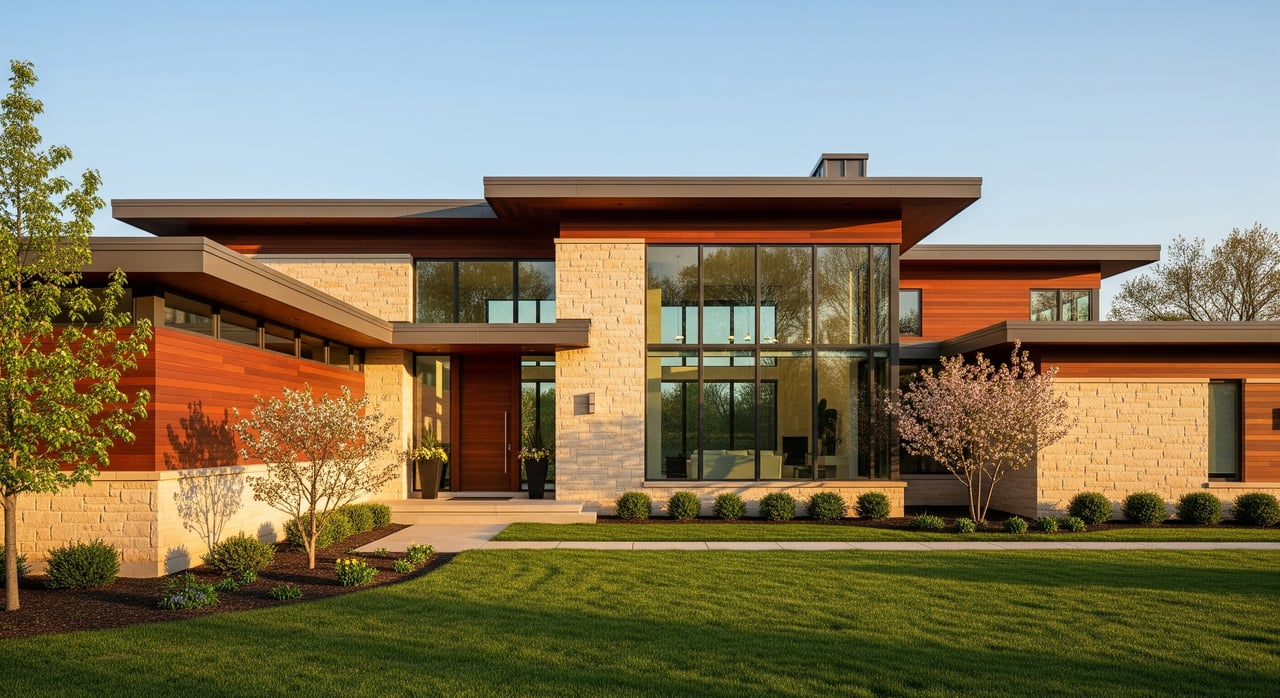
Ranch homes bring one-level living, picture windows, attached garages, and low-pitched roofs. Columbus also embraces modern design in civic spaces, and that influence appears in some private homes. Expect practical layouts and opportunities to update kitchens and baths.
Modern traditional and new construction
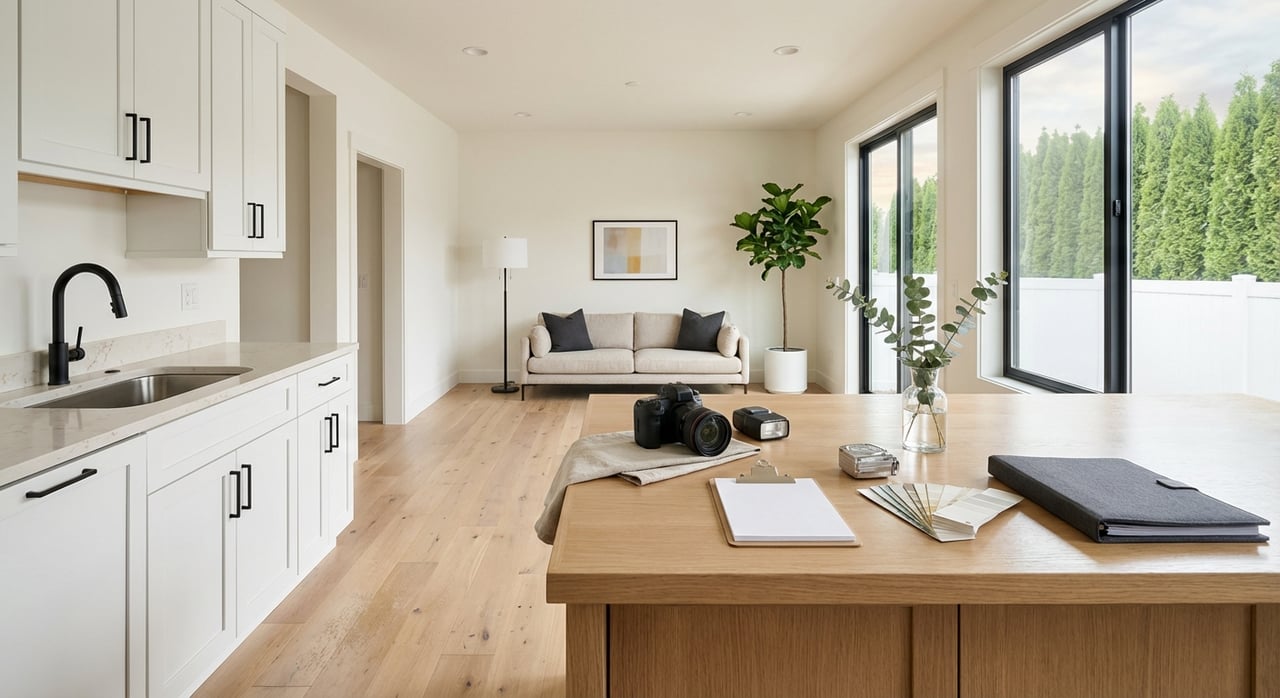
From the late 1990s onward, builders delivered open-concept living, larger primary suites, and mixed exterior materials. These homes often sit in HOA-managed communities with sidewalks and green spaces. They appeal if you want newer systems and contemporary finishes.
Custom rural and farmhouse revival
On acreage, you may find larger footprints with porches and patios, accessory buildings, and barns. Farmhouse-inspired exteriors are common, and many properties include space for gardens or workshops. Utilities and access drives vary, so plan for inspections and service checks.
Apartments and condos
Multi-family options cluster near downtown or shopping corridors. These can suit early-career buyers or downsizers who want lower maintenance. If you are comparing rent versus own, factor in HOA dues and amenities.
Commutes, schools, and everyday life
Many residents work inside Columbus in manufacturing, healthcare, education, or professional services, which supports short local trips. For a sense of commute patterns, explore journey-to-work data through U.S. Census OnTheMap. If you plan to use public transit or paratransit, check current information on the City of Columbus site.
Columbus is primarily served by the Bartholomew Consolidated School Corporation. School assignments can vary by address, so verify boundaries directly with the district and review state report cards before you finalize a home. Keep an eye on potential rezoning updates when you are shopping near boundary lines.
Parks and trails are woven into daily life, from Mill Race Park to neighborhood playgrounds. See current park maps and amenities via Columbus Parks & Recreation. For community events, arts, and architecture tours, browse what is happening through Visit Columbus, Indiana.
Pricing and market checks
Market numbers change month to month, so use a simple process to compare options. Start with a recent snapshot of median sale price and days on market from a trusted source, then confirm trends with a local agent who knows micro-neighborhoods. Treat new construction activity as a signal of growth corridors and inventory.
Use this checklist to frame your budget:
- Pull a current median sold price and days on market for Columbus, clearly labeled with the month and year.
- Group homes into entry, mid, and upper tiers based on verified ranges for your target property type.
- Compare price per square foot to larger metros only with current data, then weigh commute and lifestyle trade-offs.
- Ask about months of supply to understand if conditions lean toward buyers or sellers.
How to start your search
- Define lifestyle priorities: walkability, yard size, or privacy.
- Pick 1 to 2 zones to focus on: central, established, suburban, or rural.
- Match home styles to your preferences and maintenance comfort.
- For rural choices, plan checks for septic, wells, and potential flood zones with FEMA’s map tool.
- Verify school assignment with BCSC if that matters to you.
- Get pre-approved so you can act quickly when the right home appears.
- Tour a mix of homes to refine your must-haves.
When you are ready to refine neighborhoods, compare recent sales, or plan a listing strategy, reach out for local insight and a clear step-by-step plan. You will get responsive guidance, professional marketing, and data-backed advice from Kelly Sullivan.
FAQs
Which Columbus neighborhoods are most walkable?
- Downtown and central streets offer the most walkable blocks near shops, civic buildings, and public art; preview nearby attractions through Visit Columbus, Indiana.
Where will my commute be shortest in Columbus?
- Homes near central corridors and key employers tend to keep drive times low; review commute patterns using U.S. Census OnTheMap and confirm timing during your typical travel hours.
What home styles are common in Columbus, IN?
- You will see historic Craftsman, Colonial Revival, and Foursquare homes near the core, mid-century ranches across many neighborhoods, newer traditional builds in subdivisions, and custom homes on acreage in the county.
How do I check school assignments for a Columbus address?
- Confirm attendance zones directly with the Bartholomew Consolidated School Corporation and review state report cards for performance details.
What should I know about buying rural in Bartholomew County?
- Plan for well and septic inspections, confirm parcel details with county resources at Bartholomew County, and verify any flood risk with the FEMA Map Service Center.
How can I compare Columbus prices to bigger metros?
- Use current median sale prices and price per square foot from reliable market snapshots, then pair that data with lifestyle and commute considerations; a local agent can supply hyperlocal context and recent comps to guide your decision.