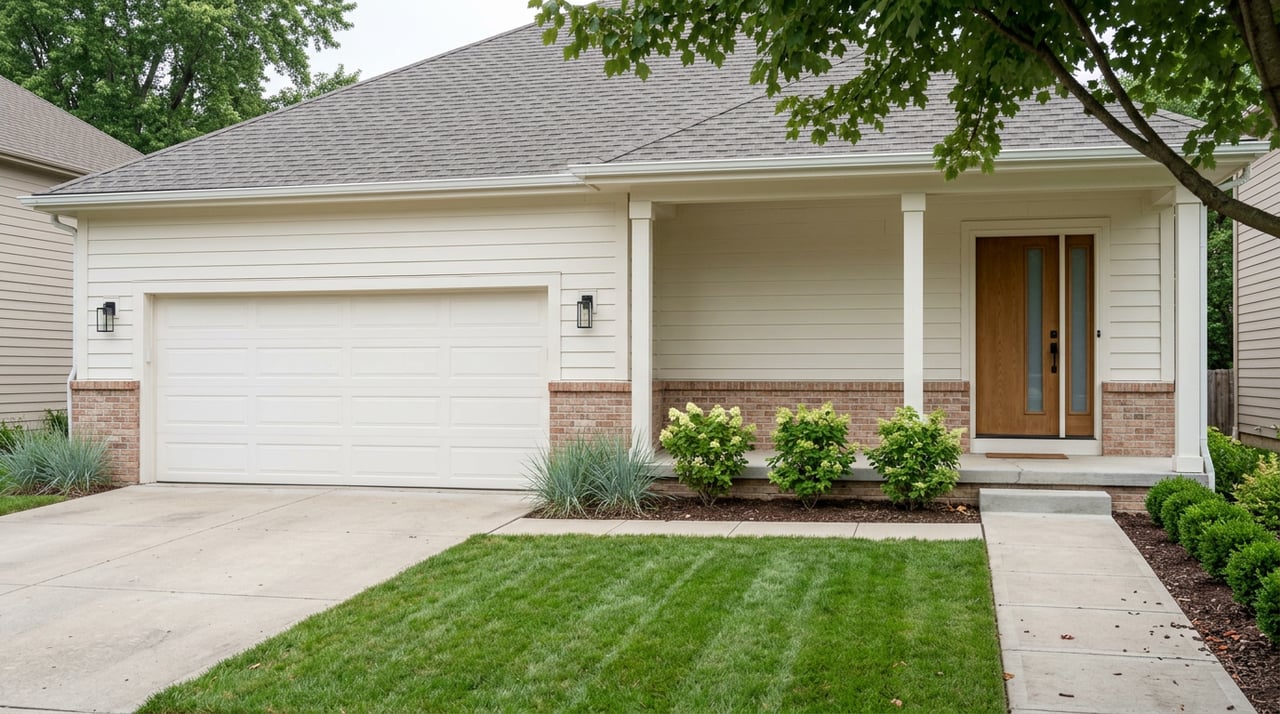
Buying your first home in Seymour can feel big, but you do not have to figure it out alone. You want clear steps, real numbers, and local tools that make the path simple. In this guide, you will learn what homes typically cost in Seymour, how much cash to plan for, the Indiana programs that can help with your down payment, and a week-by-week roadmap from pre-approval to keys. Let’s dive in.
Quick-start checklist: 6 things to do first
- Set a starter budget. Plan for a down payment of about 3% to 5% and add roughly 2% to 5% for closing costs. Review what goes into closing costs so you are not surprised at the finish line. This closing-costs guide is a helpful overview.
- Explore Indiana assistance. Check the IHCDA First Step and Next Home programs for down payment help and see if you qualify. Start on the IHCDA homebuyers page.
- Ask about a Mortgage Credit Certificate. An MCC can reduce federal tax liability and improve monthly affordability. Learn how the program works on IHCDA’s MCC overview.
- Check zero-down options. See if a property meets USDA Rural Development eligibility and, if you are a qualifying veteran or service member, ask about VA loans. Use the USDA property eligibility tool and review VA loan info on the VA housing assistance page.
- Get pre-approved with a participating lender. If you plan to use IHCDA assistance, work with a lender listed on IHCDA’s site so you can reserve funds in time.
- Prep your touring checklist. Note roof age, major systems, basement or crawlspace moisture, and commute feel. Plan to test for radon during inspections; the EPA explains why testing matters.
Seymour prices and options
As of late 2025, online market snapshots show Seymour’s typical entry-level single-family homes in the roughly 180,000 to 260,000 range, with a local home-value index around 225,241. These medians shift month to month, so check current snapshots when you are ready to shop. A quick look at recent listings suggests a mix of older resales and newer construction, including pockets like Redbud Meadows.
Inventory is modest, and most homes in Jackson County are single-family. That means being pre-approved and ready to tour quickly can help you move when the right place hits the market. If you want a newer home, you may find spec or new-build options alongside existing homes.
How much cash to have on hand
Your upfront costs depend on your loan type and any assistance you use. Here is a simple way to plan.
- Down payment: Many first-time buyers start with 3% to 5% down. Some loans allow lower or even zero down if you are eligible.
- Closing costs: Budget roughly 2% to 5% of the purchase price for lender fees, title, escrow, and prepaid items. See a plain-language breakdown in this closing-costs explainer.
- Inspections and tests: A standard home inspection in Indiana typically runs 300 to 500, with specialty tests (radon, well, septic, termite) as add-ons. Review typical inspection costs here: home inspection cost range.
Example planning math for a 220,000 home:
- 3% down payment: 6,600
- Closing costs at 3%: 6,600 (range is wider in practice)
- Inspections and appraisal: plan 700 to 1,200 total
Total estimated cash to close and due during the process could be in the 13,900 to 14,400 range at these assumptions. Your numbers will vary based on loan type, seller credits, and exact fees. Sellers can sometimes contribute toward closing costs, which may lower your cash to close.
Assistance programs that can help
IHCDA First Step and Next Home
Indiana’s Housing and Community Development Authority offers down payment assistance that pairs with qualifying loans through participating lenders. First Step may provide assistance up to about 5% for qualifying first-time buyers, and Next Home may offer up to about 3.5%. Review current rules, income limits, and the participating lender list on the IHCDA homebuyers page.
Mortgage Credit Certificate (MCC)
An MCC can reduce your federal tax liability for as long as you keep the loan, which can improve monthly affordability. Ask your lender how the MCC works with your situation. Learn about the program on IHCDA’s MCC overview.
Zero-down or low-down loans
- USDA Rural Development: May offer 100% financing for eligible properties in rural areas near Seymour. Always check an exact address on the USDA eligibility map before you assume it qualifies.
- VA loans: Eligible veterans and service members may access no-down-payment financing. See VA’s loan types and talk with your lender about entitlement and funding fee details on the VA housing assistance page.
Your step-by-step roadmap
Before we unpack the steps, here is a typical timeline so you can picture the flow.
- Get pre-approved: 0 to 2 weeks
- House hunting and tours: 2 to 12+ weeks
- Under contract: 7 to 14 days for inspections and decisions
- Appraisal and underwriting: 2 to 6 weeks
- Close: often about 30 to 45 days from contract, depending on details
Step 1: Pre-approval and setup (week 0 to 2)
A strong pre-approval clarifies your price range and shows sellers you are serious. Your lender will ask for ID, pay stubs, W-2s, bank statements, and permission to pull credit. If you plan to use IHCDA assistance, start with a participating lender listed on the IHCDA homebuyers page so your funds can be reserved on time.
Step 2: Search, showings, and offer strategy
Create a short checklist for each tour: roof age, HVAC and water heater condition, signs of moisture in basements or crawlspaces, and daily commute feel. Before making an offer, use Jackson County’s official resources to confirm parcel lines and check tax history. Start with the county’s Assessor page for property records and links to parcel lookups: Jackson County Assessor.
When you are ready to write, we will talk through earnest money, inspection and financing contingencies, and offer terms that fit the current pace of the Seymour market.
Step 3: Inspections, tests, and negotiation (about 7 to 14 days)
Hire a licensed inspector promptly. Typical Indiana inspection fees run about 300 to 500, with specialty tests such as radon, well, septic, or termite priced separately. See the inspection cost range so you can budget.
Radon testing is recommended in many parts of Indiana. The EPA explains testing and mitigation steps. If the inspection reveals issues, you may request repairs, a price credit, or cancel under the inspection contingency, depending on your contract.
Step 4: Appraisal, underwriting, and clear to close (2 to 6 weeks)
Most loans require an appraisal, which is commonly scheduled and completed within 1 to 2 weeks. If the value comes in low, we will discuss next steps, which can include renegotiation or, in some cases, extra buyer funds. For context on mortgage-related fees in this phase, review this overview of origination costs.
Your lender’s underwriting team will process documents and work through conditions. Many financed purchases target a 30 to 45 day contract-to-close window, though timing depends on lender capacity and title details.
Step 5: Closing day and what happens next
You will receive a Closing Disclosure at least 3 business days before settlement so you can review final numbers and compare them to your Loan Estimate. The FTC’s mortgage shopping FAQs explain key terms and what to check.
At closing, you will sign final documents, bring your cash to close, and receive keys once the deed funds and records. Afterward, set up utilities, keep a digital copy of your closing packet, and plan a simple maintenance budget of about 1% to 2% of home value per year.
Local tools and who to call next
- Jackson County offices: Use the Assessor for parcel data and valuations, the Treasurer to verify or pay taxes, and the Clerk for recorded instruments. Start with county resources when you need official property details.
- IHCDA programs: Review eligibility, income and purchase price limits, and the participating lender list. Reserve assistance early in your process.
- USDA and VA: Verify USDA property eligibility by address and ask your lender about VA entitlement and funding fee details if you qualify.
- Radon testing: Plan to test during your inspection period so you can address it before closing if needed.
Buying in Seymour is achievable with a clear plan and the right guidance. If you want a local advisor who will walk you through financing options, negotiate with confidence, and keep every step on track, reach out to Kelly Sullivan. Let’s build your Seymour plan together.
FAQs
How much cash does a first-time buyer need in Seymour?
- Plan for a down payment plus about 2% to 5% in closing costs and inspection or appraisal fees. IHCDA assistance can reduce out-of-pocket down payment for eligible buyers.
Are Seymour homes within USDA zero-down areas?
- Many rural parcels near Seymour may be USDA-eligible, while addresses inside city limits often are not. Always confirm on the USDA property eligibility map.
Should I test for radon during a Seymour home purchase?
- Yes. The EPA recommends testing every home; mitigation is practical and common if levels exceed guidelines.
Can I buy with no down payment if I am a veteran?
- Possibly. Eligible veterans and service members may qualify for VA loans that do not require a down payment; ask your lender about eligibility and fees.
How do I estimate property taxes for a specific Seymour address?
- Use Jackson County’s official resources to review parcel data and tax history by address, then confirm any exemptions with county offices.